

The real cost of owning a car in Dubai is the purchase price plus a long list of running costs: depreciation, insurance, registration and inspection, fuel, Salik tolls, parking, servicing, tyres, batteries and the occasional fine or repair. For many owners, those running costs add up to more than they expected in the first year. The best way to budget is to estimate each item for your specific car and driving pattern before you buy.
In this guide
The big picture
Costs fall into three groups: fixed annual costs you pay whether you drive or not, usage costs that grow with every kilometre, and occasional costs that arrive without warning. Separating them makes it easier to see where your money goes and where you can save.
Fixed costs
Depreciation
Depreciation is usually the largest single cost of owning a car, even though you never see a bill for it. It is the difference between what you pay and what you sell for. New cars lose value fastest in the first years; buying used lets the first owner absorb that drop. Popular, reliable models with good resale demand tend to depreciate more slowly.
Insurance
Insurance is mandatory, and the premium depends on the car’s value, model, your age, driving experience and claims history, and whether you choose third-party or comprehensive cover. Our car insurance cost estimator gives a rough AED range for your car.
Registration and inspection
Registration is renewed every year through the RTA, and older cars need to pass a technical inspection first. Fees depend on the vehicle and services used. Check the RTA’s current fee list for your car.
Finance
If you take a car loan, the interest and any bank fees are part of the cost of ownership. Compare the total amount repayable, not just the monthly instalment.
Usage costs
Fuel
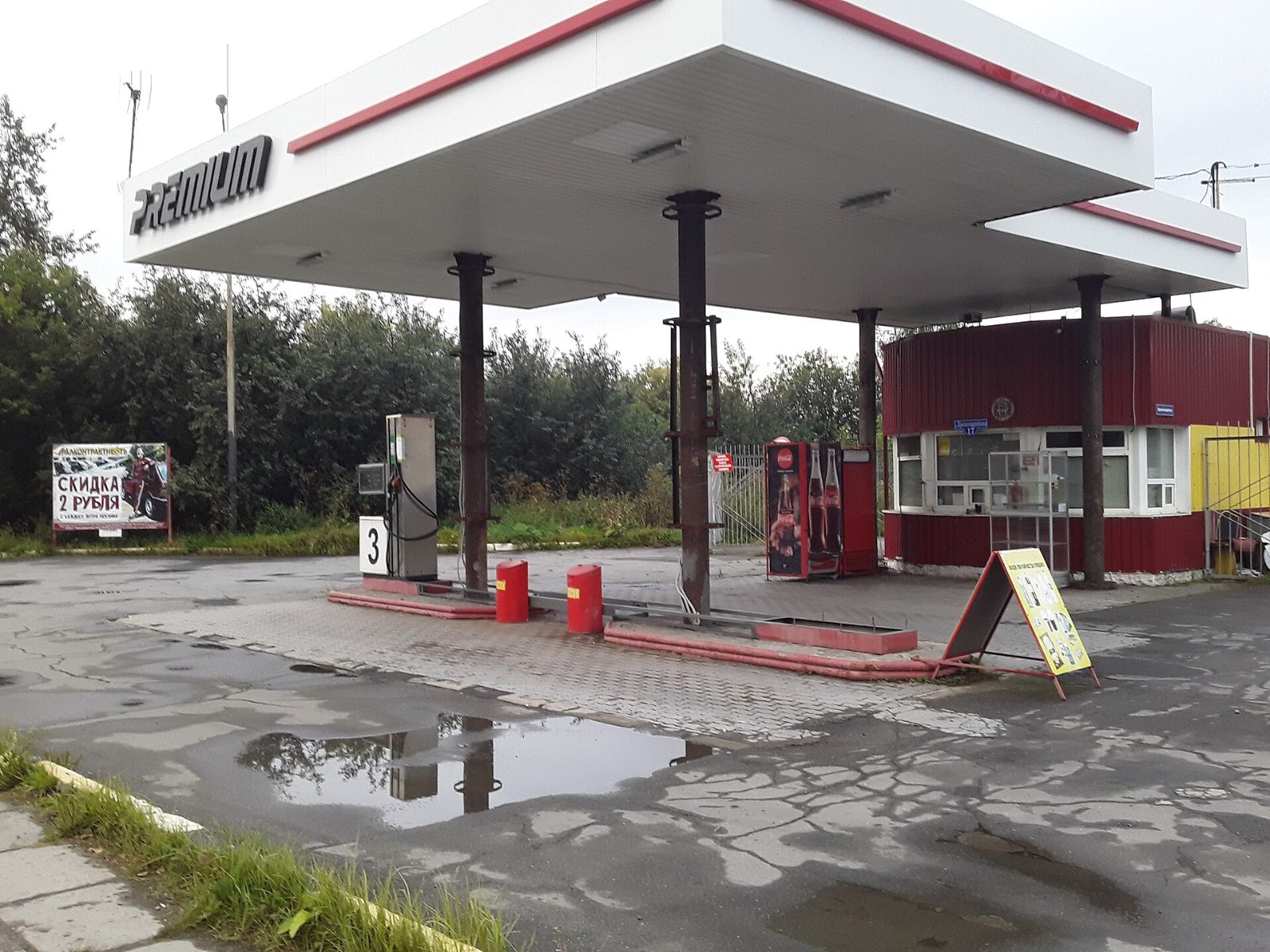
UAE fuel prices are set monthly by the national fuel price committee and announced at the end of each month, so your fuel bill can change from one month to the next. A large SUV with a big petrol engine uses much more fuel than a compact sedan, which can make a major difference over a year.
Salik and tolls
Dubai’s Salik toll gates charge each time you pass, and Abu Dhabi has its own toll system. If your daily commute crosses toll gates, the yearly total can be significant. Check the current rates and your likely route.
Parking
Paid public parking in Dubai is managed by zones and time periods. Residential and office parking may also have monthly fees. If you live or work in a busy area, budget for parking every month.
Servicing and tyres
Regular servicing, filters, brake pads and fluids add up, especially for premium brands. Heat and long highway drives wear tyres, and tyres also age with time, so check the manufacturing date as well as the tread.
| Cost | How to estimate it | Where to save |
|---|---|---|
| Fuel | Expected km per month and the car’s consumption | Choose an efficient car, plan routes |
| Salik | Number of toll crossings on your usual routes | Alternative routes where practical |
| Parking | Zones near home and work, monthly permits | Residential permits, park-and-ride |
| Servicing | Manufacturer schedule and garage prices | Reputable independent specialists after warranty |
| Tyres | Size and type for your car | Avoid oversized wheels, check pressures |
Occasional costs
These are the surprises: a new battery after a summer, an AC compressor, a cracked windscreen, a fine or an insurance excess after an accident. Many owners set aside a monthly amount in a separate account so these costs do not become a crisis.
Build a repair reserve
Older and premium cars need a bigger reserve. A car that is cheap to buy but expensive to fix can cost more over a few years than a slightly more expensive, reliable model.
The cheapest car to buy is rarely the cheapest car to own.
VAT
The UAE applies VAT at 5% to many goods and services, including many repairs, parts and accessories. Check whether quotes include VAT so your budget is accurate.
Comparing two cars on total cost
When you are choosing between two cars, compare them over the number of years you expect to keep them, not just on the purchase price. Write down, for each car, the purchase price, your estimate of its resale value at the end, the insurance quote, the expected fuel cost based on your daily distance, servicing and tyre costs, and a repair reserve. Add everything up and subtract the expected resale value.
This exercise often changes the decision. A cheaper luxury car with high insurance, expensive tyres and weak resale can end up costing more over three years than a slightly dearer mainstream model that holds its value. A thirsty SUV can make sense for a family that needs seven seats and drives into the desert, but it may be poor value for a solo commuter on Sheikh Zayed Road.
Be honest about your habits. If you drive long distances every day, fuel and tyres matter more. If the car sits in a garage most of the week, depreciation and fixed costs dominate.
A simple method for your budget
- List each cost above for your specific car.
- Get real quotes for insurance and servicing before buying.
- Estimate fuel from your daily distance and the car’s consumption.
- Map your commute for Salik and parking.
- Add a repair reserve, larger for older or premium cars.
- Estimate depreciation by looking at prices for the same model a few years older.
Our used car inspection checklist helps you avoid buying a car that comes with expensive repairs already due.
Do not stretch the budget to the limit
If the car’s monthly costs would leave nothing spare, consider a less expensive model. Unexpected repairs and price changes happen to every owner.
FAQ
What is the biggest cost of owning a car in Dubai?
For many owners it is depreciation, followed by insurance and fuel. The mix depends on the car and how much you drive.
Is it cheaper to buy a used car?
Usually, because the first owner absorbs much of the depreciation. Running costs still depend on the car’s condition.
How often do fuel prices change in the UAE?
They are reviewed and announced monthly.
Should I include VAT in my budget?
Yes. Many services and parts include 5% VAT, so check quotes carefully.
Sources: Roads and Transport Authority Dubai; UAE Ministry of Energy and Infrastructure; Federal Tax Authority.
Cover photo: Alison.king06, CC BY-SA 4.0. Last reviewed: 2026-11-25.